Solar Photovoltaic Equipment System
Solar photovoltaic power station, as an important component of green energy, the size of the power generation directly affects the energy utilization efficiency and economic benefits, the product becomes a key element.
About us
Cheer Ease Trading Co., Ltd. is focused on providing high-quality solar photovoltaic solutions. Our mission is to assist customers in achieving their green and sustainable development goals.
We are able to provide our customers with comprehensive product services. We not only supply solar photovoltaic components, but can also provide solar photovoltaic system solutions for our customers.
Services
System recommendations
Equipment procurement
After-sales maintenance
Ensuring we provide customers with quality and reliable products and services.
Solar Photovoltaic Overview
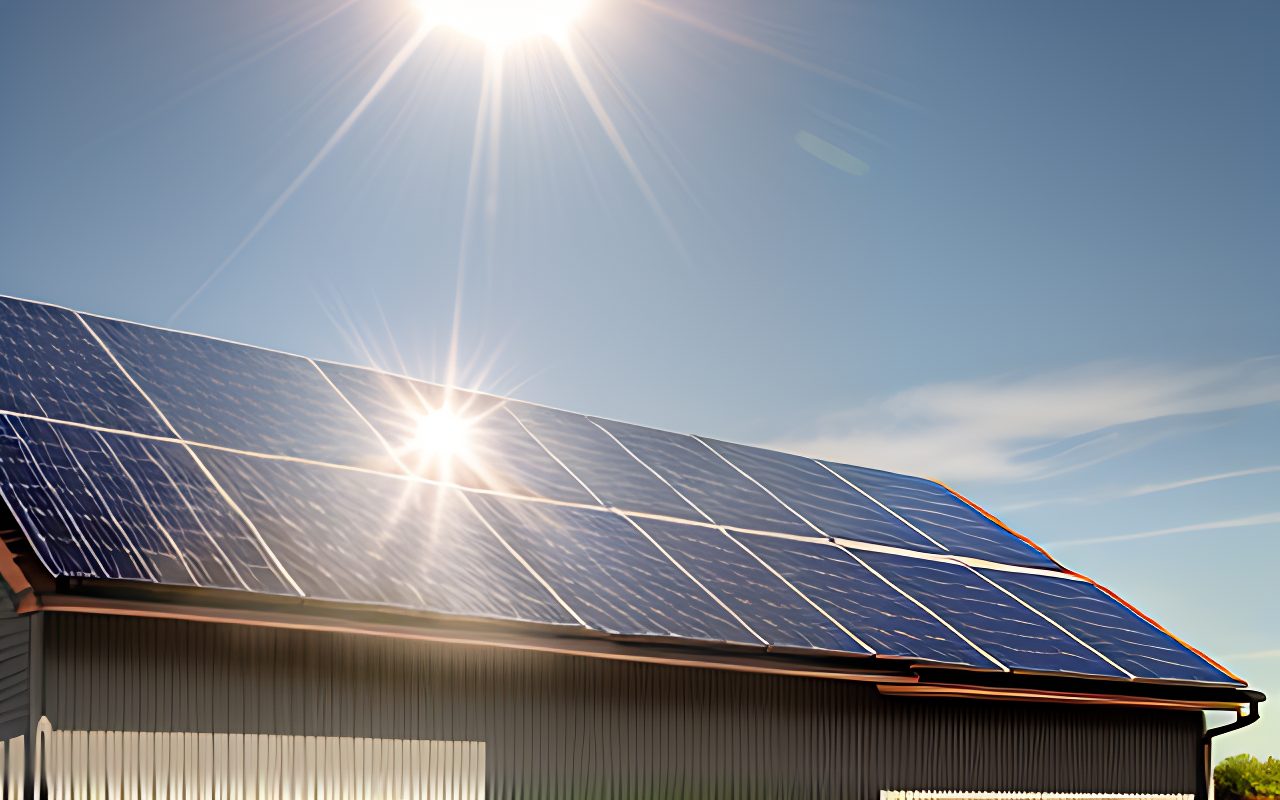
Solar photovoltaic power station, as an important component of green energy, the size of the power generation directly affects the energy utilization efficiency and economic benefits, the product becomes a key element.
Solar Photovoltaic Characteristics
Self-construction
Solar photovoltaic facilities are usually constructed by the users themselves, rather than centrally constructed by the power company.
Primarily self-generation & self-use
The power generated by the solar photovoltaic system is mainly used for self-consumption, and only the surplus electricity will be fed into the grid.
Balancing & Adjustment System
Due to the intermittent and uncertain nature of solar photovoltaic power, the power distribution system needs to perform balancing and adjustment.
These characteristics highlight that solar photovoltaic is a decentralized, autonomous renewable energy generation mode, which is very different from the traditional centralized grid power generation model
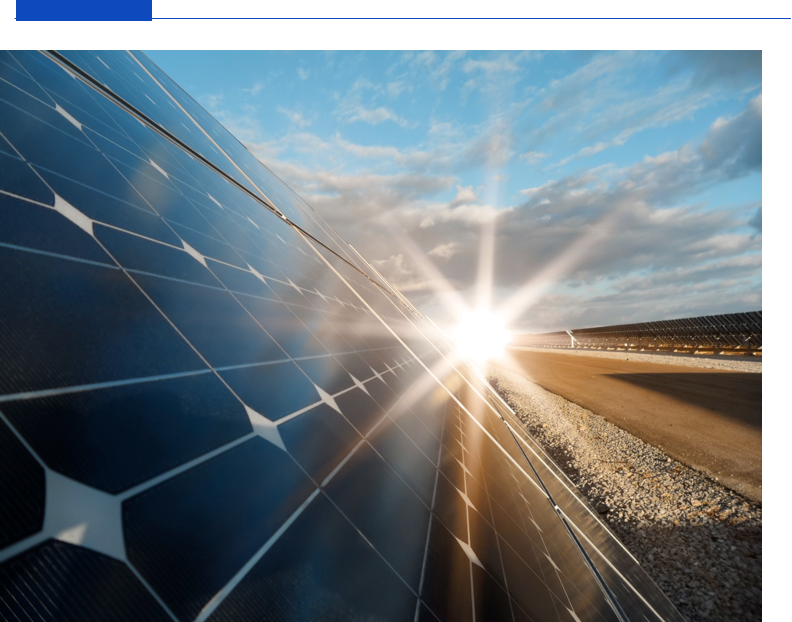
lSolar cells are a special type of semiconductor device that can directly convert sunlight into electric current. This is based on the principle of the photovoltaic effect.
lIn semiconductor materials, sunlight irradiation will generate free electrons, and these free electrons can form an electric current, thereby generating electricity.
lBy series and parallel connection of multiple solar cells, large-area solar photovoltaic modules can be manufactured. With the addition of power control and other accessories, a complete solar photovoltaic system is formed.
lUtilizing the photovoltaic effect to convert solar energy into electricity provides a practical green power generation technology that offers clean and renewable energy.
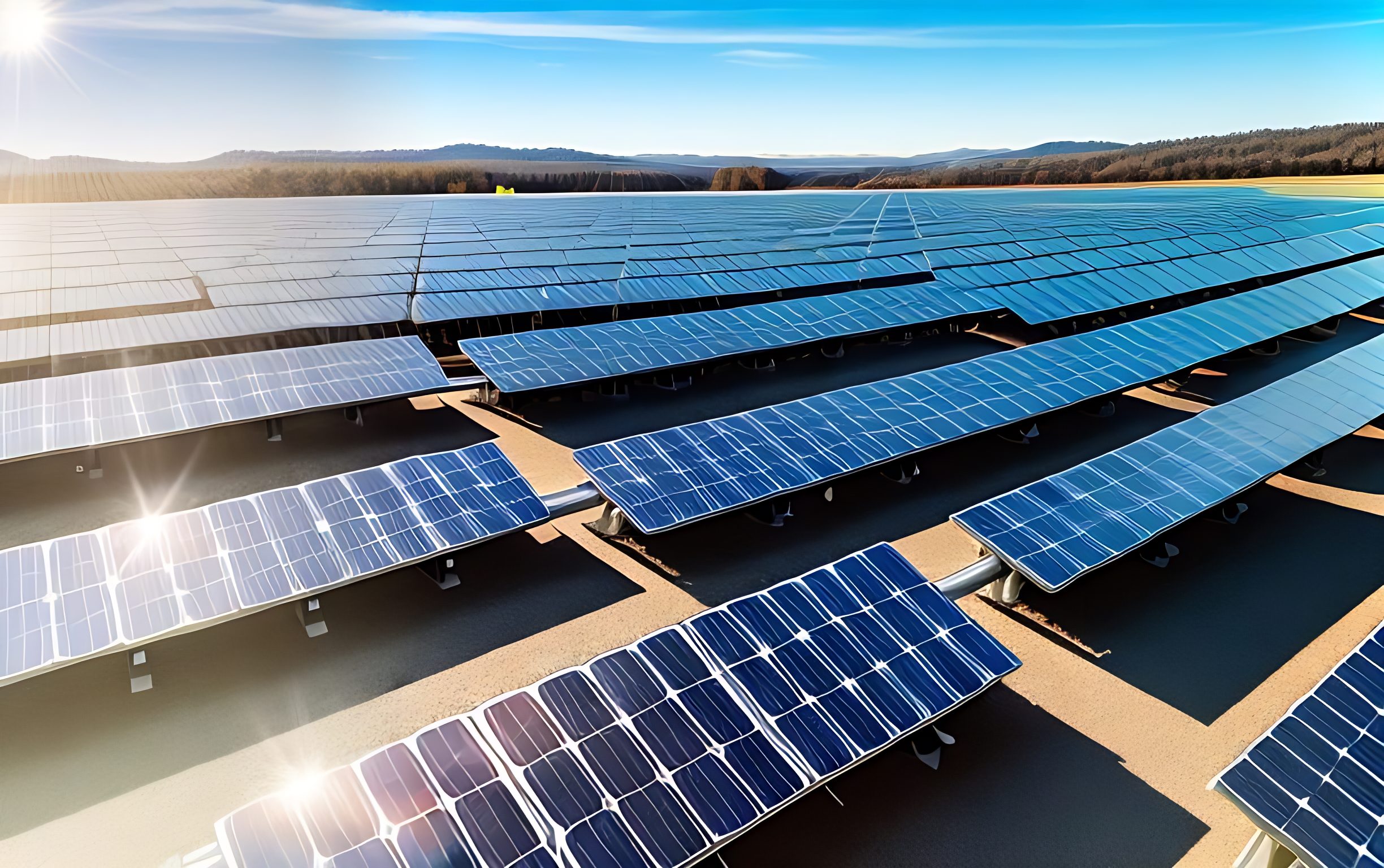
Solar Photovoltaic Equipment System
A decentralized solar photovoltaic grid-connected power generation system mainly includes the following key components:
1) Solar photovoltaic components
Solar panels composed of multiple solar cells, used to absorb sunlight and generate DC electricity.
2) Inverter:
Converts the DC electricity generated by the solar panels into AC electricity, for grid-connection.
3) Mounting structures and cables:
Used to support and connect the solar photovoltaic components and other equipment.
4) Junction box:
Collects the current from different solar photovoltaic components, and provides protection and monitoring.
5) AC/DC distribution cabinet:
Distributes and manages the AC electricity fed into the power grid.
6) Monitoring system:
Provides real-time monitoring and management of the overall system operation status.

Benefit of Photovoltaic Systems
Energy benefits
lUnder average daily sunshine conditions, a 1 kilowatt solar photovoltaic system can generate about 1,200 kilowatt-hours of electricity per year.
Environmental benefits
lCompared to traditional fossil fuels, solar photovoltaic can reduce the use of about 400 kilograms of standard coal.
It can also reduce the emission of about 1 ton of carbon dioxide, which is more environmentally friendly.
Economic benefits
Solar photovoltaic systems have good economic benefits.
How it effect?
Saving Forest
lInstalling 1 square meter of solar photovoltaic system is equivalent to the carbon absorption effect of 100 square meters of afforestation. This is a very significant figure.
Smog and Acid Rain Reduction
lVigorously developing renewable energy sources such as solar photovoltaic is one of the effective means to fundamentally solve serious environmental issues like smog and acid rain.
Solar Photovoltaic Overview
01
lThe solar radiation received on the Earth’s surface each year is sufficient to meet the global energy demand 10,000 times over.
lThe solar radiation received per square meter of the Earth’s surface annually ranges between 1,000-2,000 kWh, varying depending on the location.
lData from the International Energy Agency shows that installing solar photovoltaic systems on just 4% of the world’s desert areas would be sufficient to meet the global energy demand.
02
lThe market potential for installing solar photovoltaic systems on existing buildings alone is over 30 trillion watts.
lAs solar photovoltaic technology continues to develop and achieve economies of scale in production, the cost of electricity generation will further decrease, making it more competitive.
lSolar photovoltaic will gradually transition from an initial supplementary energy source to eventually replace traditional energy sources, and even become the dominant energy source.
Suitable Installation Locations
Solar photovoltaic power station, as an important component of green energy, the size of the power generation directly affects the energy utilization efficiency and economic benefits, the product becomes a key element.

Industrial Factories
- Some industrial factories have large electricity consumption
- These factories have very large and flat rooftops.

Commercial Building
Commercial buildings can effectively benefit from solar photovoltaic systems:
- Commercial buildings generally have large daytime electricity consumption, which matches the peak generation time of solar energy systems. The additional revenue from solar systems can further enhance the economic benefits.
- Commercial buildings often have large, open and flat rooftop areas, which are very suitable for large-scale installation of solar panel arrays.
- The installation of solar systems can also decoratively beautify the building, helping to enhance the green and environmentally-friendly image of the building.

Residential buildings
The advantages of solar photovoltaic systems in residential buildings and the suitable residential building types:
Advantages:
Reduce electricity bills: Self-generation and self-use of solar power can reduce the cost of electricity from the grid.
Green and environmentally friendly: Solar energy is a clean and renewable energy source, contributing to low-carbon and environmentally-friendly development.
Increase property value: The installation of solar systems can also enhance the green and environmentally-friendly value of the residence.
Suitable building types:
Detached houses: Such as standalone houses and villas, with large rooftop areas suitable for solar PV system installation.
Shared facilities: Solar systems can also be installed on the rooftops of public facilities like parking sheds and shared equipment.
Rural houses: Rural areas have abundant sunlight, making them suitable for solar power. Remote rural areas lacking electricity are particularly suitable.
Factors Affecting Solar Photovoltaic Power Generation
Our solar panel system provides you with efficient and stable electricity, using advanced technology to ensure you enjoy clean, renewable energy, making your life more environmentally friendly and cost-effective. Committed to creating a green future, CheerEase Company Limited will offer you high-quality services and products.
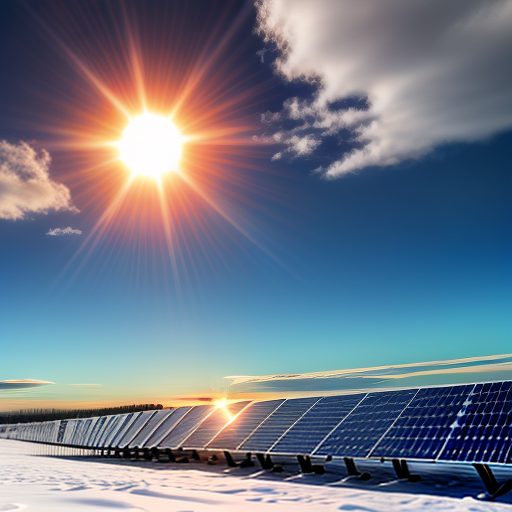
Solar radiation conditions
- lSolar radiation intensity:
The stronger the solar radiation, the higher the power output of the solar photovoltaic device.
lDuration of solar irradiation:
The longer the duration of solar irradiation, the greater the power generation.
lSpectrum distribution:
Different spectrum distributions also impact the conversion efficiency of the solar photovoltaic modules.
Temperature conditions
1) Solar photovoltaic cells have an inverse relationship between temperature and power generation efficiency:
lAs temperature increases, the photoelectric conversion efficiency of solar photovoltaic cells decreases.
lThe reason is that the electrical properties of the semiconductor material deteriorate with increasing temperature.
2) Impact of temperature coefficient:
lThe peak power temperature coefficient of solar photovoltaic cells is generally between -0.3%/°C and -0.5%/°C.
lFor every 1°C increase in temperature, the solar power generation will decrease by about 0.3% to 0.5%.
3) Key focus:
lThe actual power generation of solar photovoltaic systems will decrease with increasing temperature.
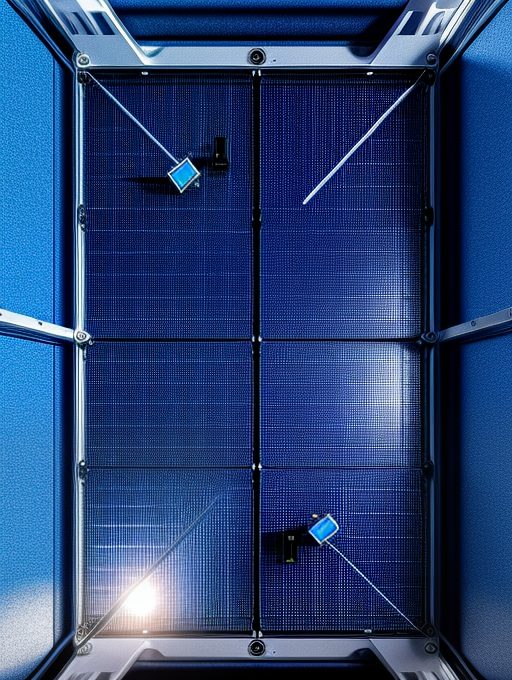
Photovoltaic cells
1) Photoelectric conversion efficiency:
lDirectly determines the power generation capability of solar photovoltaic modules
lHigh-efficiency solar photovoltaic modules can increase the overall power generation
2) Anti-degradation performance:
lSolar photovoltaic cells can degrade over time
lCells with good anti-degradation performance have longer lifespan and higher stability
3) Weather resistance:
lSolar photovoltaic cells need to operate in harsh environments for a long time
lStrong ability to withstand high temperatures, ultraviolet radiation, and wind/sand
4) Comprehensive performance determines power generation:
lHigh-efficiency, stable, and durable solar photovoltaic modules are the foundation for increasing power generation
lThey are key to the design and operation of solar photovoltaic power plants
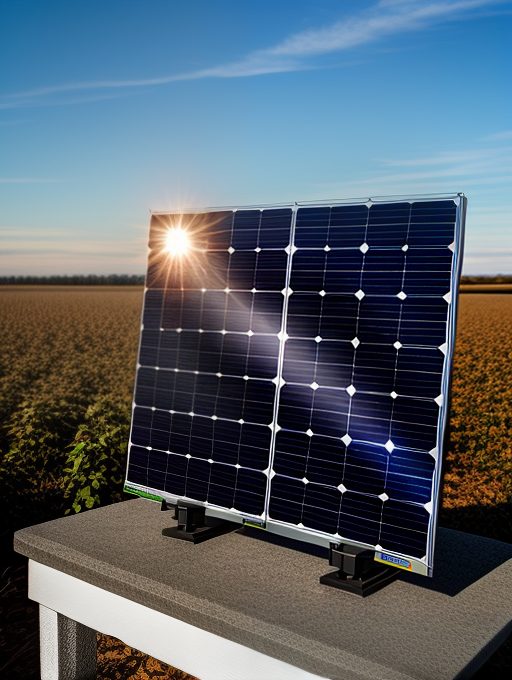
Design and Installation
The design layout, shading, module installation angle and spacing of solar power plants all affect the solar power plant’s reception and utilization efficiency of solar radiation:
1.Design layout:
Maximize the use of available land area
Expose more solar photovoltaic modules to sunlight
2.Shading:
Surrounding buildings, trees, etc. may cause shading
Affecting the solar modules’ absorption of sunlight
3.Installation angle:
The tilt angle and orientation of solar modules
Impact the angle and intensity of sunlight received
Optimize based on latitude and climate conditions
4.Installation spacing:
Proper spacing between solar modules
To avoid mutual shading between modules
Improve the overall utilization of solar radiation
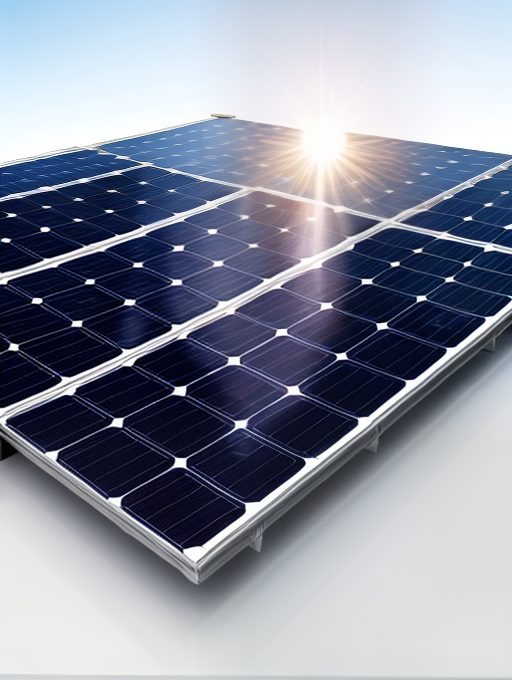
Operation and Maintenance
1. Solar Module Cleaning and Maintenance:
– Regular cleaning of dust and – contaminants on solar module surfaces
Ensure maximum light exposure to improve power generation efficiency
2. Inverter and Equipment Maintenance:
– Regular inspection and servicing of critical equipment like inverters and controllers
– Timely fault detection and repair to ensure long-term stable operation
3. Fault Diagnosis and Rectification:
– Promptly identify and locate faults or potential issues across the plant
– Take effective measures to repair and retrofit to avoid generation losses
4. Equipment Upgrade and Renewal:
– Replace aging equipment based on technological advancements
– Improve overall plant performance and power generation efficiency
5. Environmental Monitoring and Management:
– Monitor environmental changes around the plant
– Shading objects, vegetation growth, and take timely action to mitigate impacts on power generation
The management and monitoring of solar power plants is critical to ensure stable operation and maximize power output.
Solar Photovoltaic (PV) Module Products
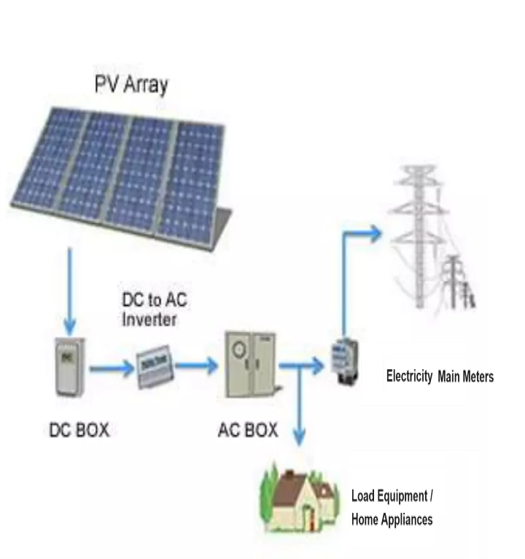
Grid-connected Solar Photovoltaic (PV) Systems
The solar PV system is interconnected with the utility’s distribution and transmission network, becoming a small-scale power generation asset within the larger power system.
The solar PV system is grid-connected, operating in parallel with the main grid supply. During normal operation, the solar PV system generates power and supplies the local load demand. When the solar PV generation is insufficient, the grid supplies the additional power needed.
The utility grid essentially acts as an infinite, free “battery” storage system for the solar PV system owner.
The inverter
Definitions:
Inverter: A device with grid-feeding capability, enabling it to operate in grid-connected mode in solar PV systems.
Applicable Locations:
Areas with well-developed electric power grid infrastructure.
Operation:
Daytime: Solar PV system operates in parallel with the grid, feeding power.
Nighttime: Utility grid supplies the power.
Advantages:
Simple system structure, No special safety factor design required, Easier maintenance
Disadvantages:
In the event of grid outage, the inverter automatically shuts down, unable to provide backup power supply.
Grid-connected/off-grid hybrid solar PV systems
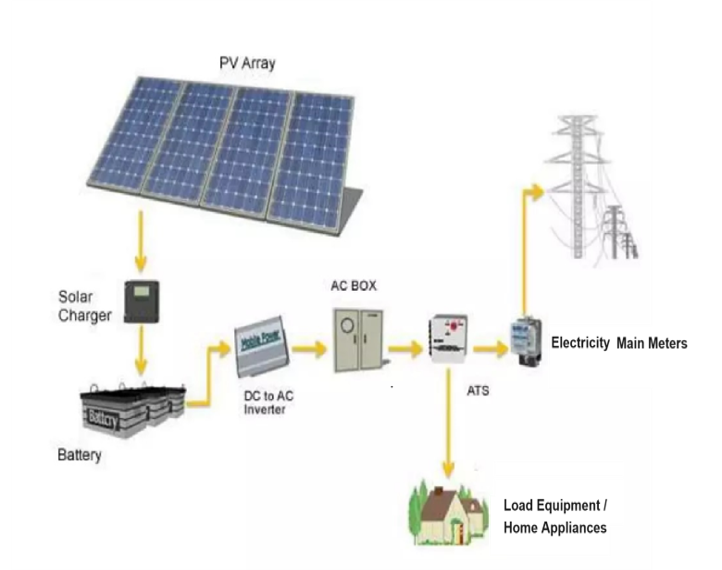
The operating modes of a solar PV system:
Normal operation mode:
– The solar PV system is grid-connected and generates electricity
– The generated power is used to supply the load and charge the batteries
Night operation mode:
– When there is no solar generation
– The load is powered by the utility grid
This mode fully utilizes solar power generation, while also addressing nighttime power demand, balancing economics and reliability. The addition of batteries enhances the system’s self-sufficiency, making it a more comprehensive solar PV system solution.
Advantages:
– Utilize solar PV power during the day to reduce electricity costs
– Batteries can store the excess solar power generation
– Grid electricity can supply the load at night to ensure power demand
Disadvantages:
– Require a battery system, increasing the initial investment
– Still depend on grid electricity, unable to provide backup power during grid outages
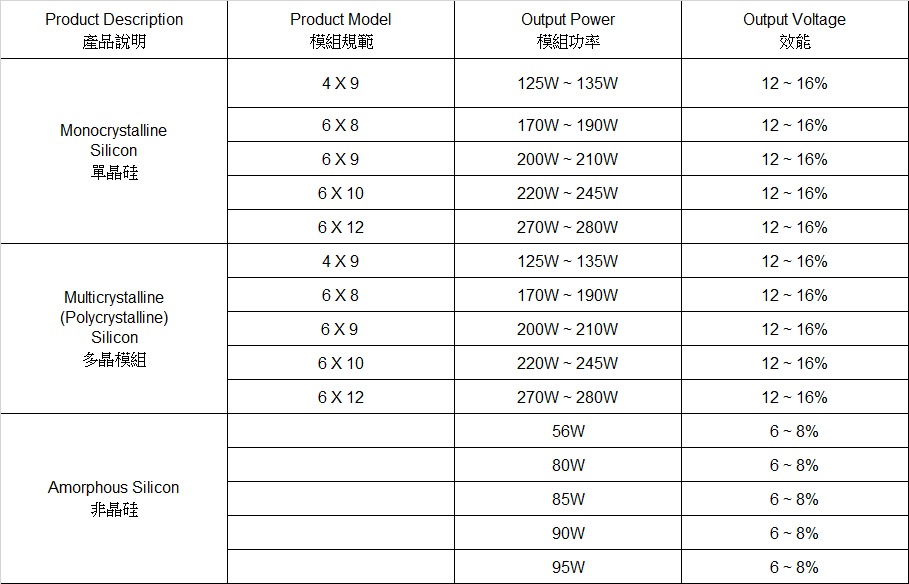
Solar Modules
The development of solar cells has gone through a process from substrate-based to thin-film, and from the first generation to the third generation. The application range has also become increasingly widespread, and solar cells have become one of the important forms of modern green energy utilization.
Main Functions:
– Absorb sunlight and convert it into direct current electricity for solar photovoltaic systems.
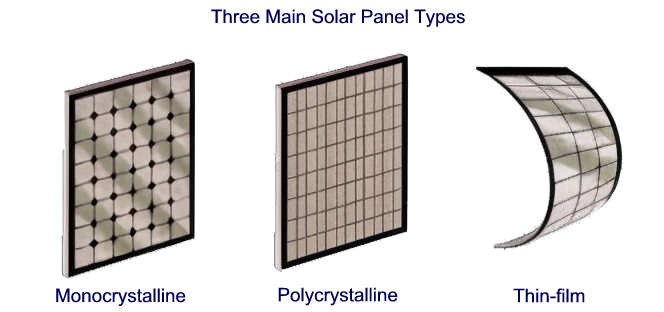
Mainstream Solar Cell Types:
– Monocrystalline Silicon
– Multicrystalline Silicon
Solar Cell Structural Designs:
– Substrate-based
– Drawn Monocrystalline
– Cast Multicrystalline
– Thin-film
– Better integration with buildings, such as curved, flexible, or foldable
– Often use amorphous silicon materials
Solar Cell Development Stages:
– First Generation: Substrate-based Silicon (Monocrystalline, Polycrystalline)
– Second Generation: Thin-Film
– Third Generation: New Concept Designs
Solar Module Applications:
– Solar water heaters
– Solar photovoltaic systems
– Solar street lights
– Typical applications in green living
The main function of solar cells is to convert solar energy into usable electricity for various solar photovoltaic applications. The development of solar cell technology has progressed from the first-generation substrate-based silicon cells to the thin-film and emerging third-generation designs, each with its own advantages and target applications.
Different Types of Solar Cell Materials and Their Characteristics:
Monocrystalline Silicon:
– Made of a single large crystal of high-purity silicon material
– Has higher efficiency, but also higher manufacturing cost
Multicrystalline (Polycrystalline) Silicon:
– Made of many small silicon crystal grains
– Lower manufacturing cost, but slightly lower efficiency compared to monocrystalline
– Currently the most widely used in the solar energy market
Amorphous Silicon (Thin-Film):
– Silicon material without a fixed crystalline structure
– Lower manufacturing cost and can be used on flexible substrates, but lower efficiency
– Widely applied, such as in building-integrated photovoltaics (BIPV)
In summary:
Monocrystalline silicon has the highest efficiency but higher cost
Multicrystalline silicon has lower cost but slightly lower efficiency
Amorphous silicon thin-films have the lowest cost and flexible applications, but also the lowest efficiency
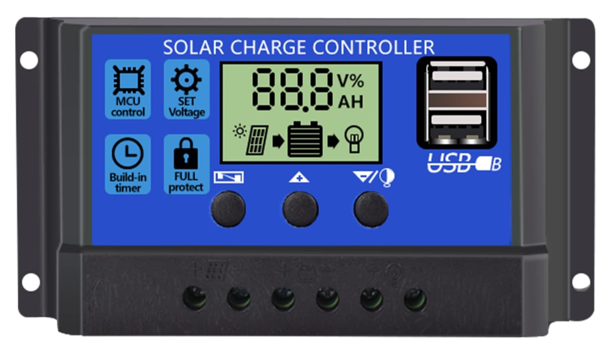
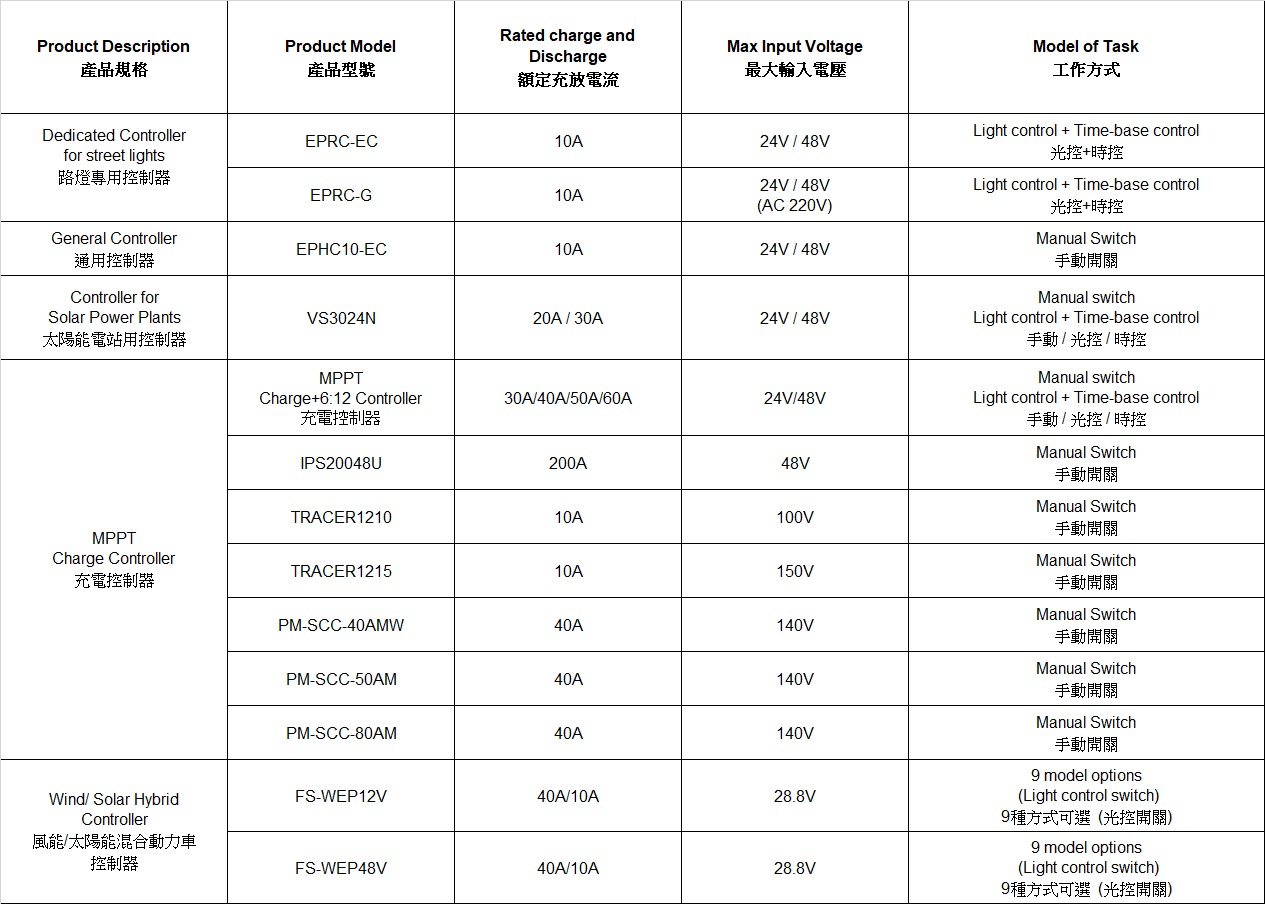
Battery Charge Controller
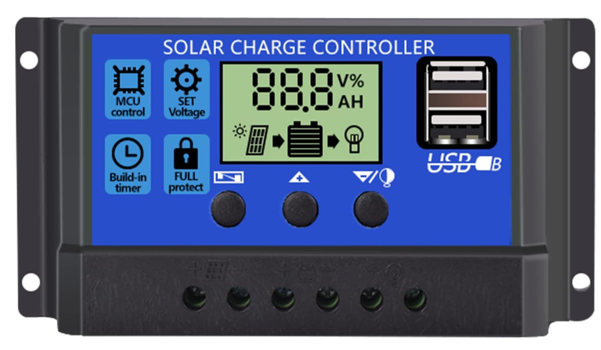
An intelligent battery charge controller that integrates smart control, comprehensive protection, and battery management functions can effectively improve system stability and battery lifespan.
Key features:
– Designed specifically for solar DC power supply systems and solar DC lighting systems, using a specialized computer chip for intelligent control.
– Adopts a one-piece touch switch operation, making it user-friendly.
– Provides comprehensive protection functions against short circuit, overload, reverse polarity, effectively protecting the battery and load devices.
– Can monitor and display charging status, battery status, load status, and various fault information.
– Adopts advanced discharge rate and temperature compensation algorithms based on battery characteristics, achieving efficient and high-precision charging and discharging control to extend battery lifespan.
– Offers multiple working modes and output modes to meet different user requirements.
INVERTER
1) Main functions of the inverter:
– Convert the direct current generated by the solar photovoltaic elements into alternating current
– Enable it to be grid-tied with the power grid system, providing AC power supply to the user
2) Inverters can be divided into two types:
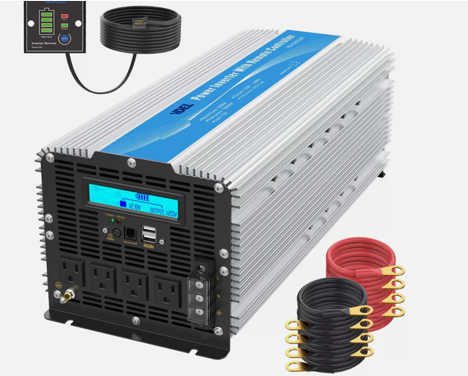
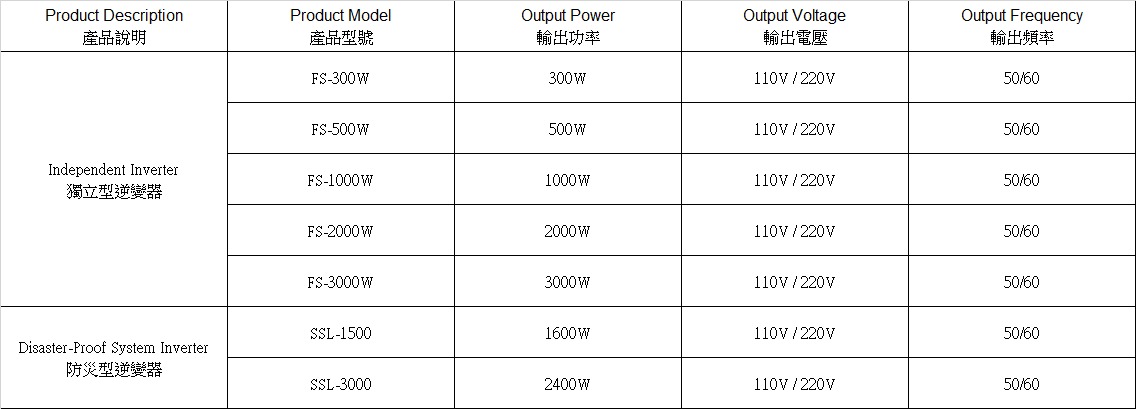
Independent inverter:
– Converts the DC power from the battery into AC power
– Used in stand-alone solar photovoltaic systems without grid power supply
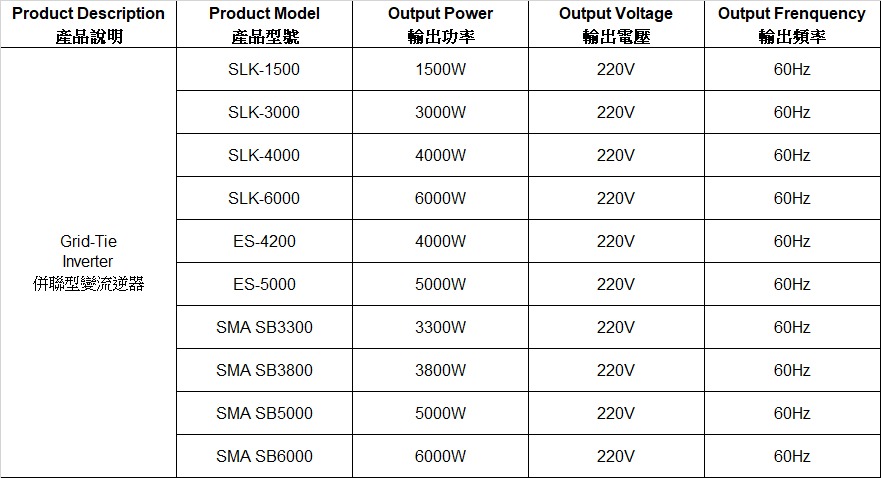
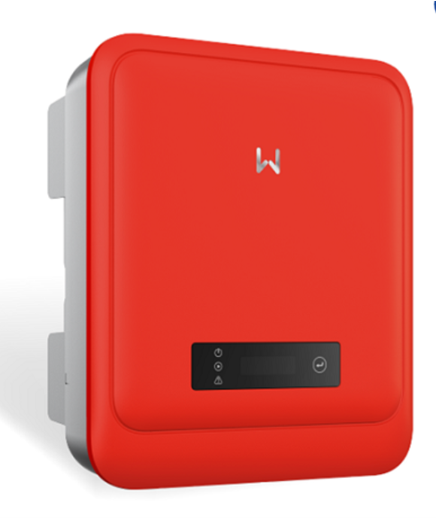
3) Grid-tied inverter:
– Converts the solar photovoltaic DC power into AC power
– Then feeds it into the power grid system, providing power to the user
4) The grid-tied inverter function is more important:
– It is the key equipment for solar photovoltaic power stations to be grid-tied
– Ensures the electrical characteristics of solar photovoltaic power are coordinated and compatible with the power grid
Independent inverter
Grid-Tie Inverter
Cheer Ease Trading Limited
Flat E5, 9/F, BLock E, Wah Lok Industrial Center, 31-35 Shan Mei Street, Fo Tan, Shatin, Hong Kong
Tel: 26933222
Fax: 21552903
Email: info@cheerease.com